How to Use AI to Write and Sell eBooks in 2026 — From Idea to Passive Income in One Weekend
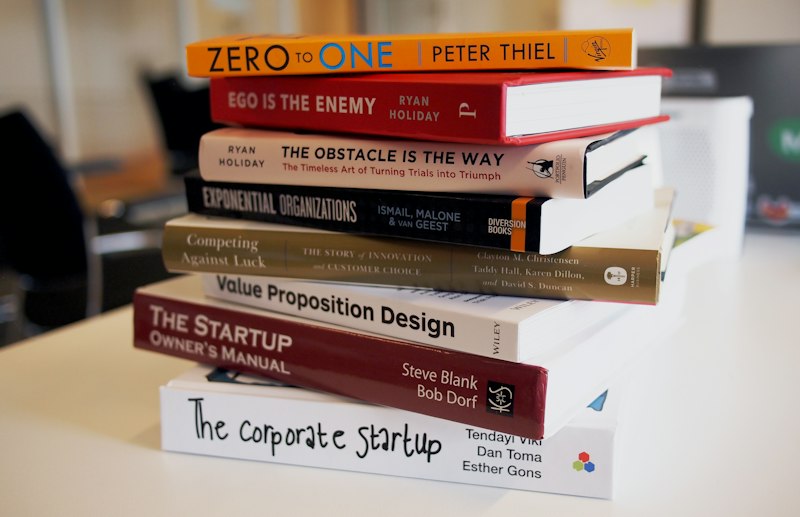
Writing and selling an eBook is one of the smartest ways to generate passive income online in 2026 — you write it once, publish it once, and it can keep earning money for months or even years without any additional work.
Writing and selling an eBook used to take months of work: outlining, drafting, editing, designing covers, formatting, publishing, and marketing. In 2026, AI tools have compressed this entire process into days. What previously required a ghostwriter, a designer, and a formatter — costing $1,000–$5,000 — can now be accomplished by one person with free AI tools in a single weekend. This guide gives you the complete workflow, the best platforms, the most profitable niches, and the exact strategies that separate eBook sellers who earn $200/month from those who earn $5,000/month.
📋 Table of Contents
- Why eBooks Are Still a Powerful Income Source in 2026
- How Much Can You Realistically Earn — The Real Numbers
- The Most Profitable eBook Niches in 2026
- Step 1 — Choosing Your Topic and Validating Demand
- Step 2 — Writing Your eBook with AI — The Complete Workflow
- Step 3 — Designing a Professional Cover and Layout
- Step 4 — Choosing the Right Platform to Sell
- Step 5 — Pricing Your eBook for Maximum Revenue
- Step 6 — Marketing Your eBook Without a Big Audience
- The 6 Mistakes That Prevent eBook Success
- Frequently Asked Questions
- Our Team's Honest Opinion
1. Why eBooks Are Still a Powerful Income Source in 2026
A common objection to eBook income in 2026 is: "There is so much free information online — why would anyone pay for an eBook?" The answer reveals a fundamental truth about information economics that most beginners miss.
Readers will happily pay for a well-written eBook that solves a specific problem or teaches a valuable skill — even when similar free content exists online. The key advantage of eBooks over almost every other digital product is simplicity. People do not pay for information — they pay for curated, organized, actionable information that solves their specific problem without requiring hours of research. That packaging is the value — and AI makes creating that packaging accessible to anyone.
— NSF Tech · "How to Write and Sell an eBook to Make Money: The Complete 2026 Guide" · 3 days ago
True Passive Income
An eBook published today earns tomorrow, next month, and next year — with zero additional effort. No inventory, no shipping, no customer service beyond email. Every sale is 95–100% profit margin.
AI Has Eliminated Barriers
Traditional eBook creation requires writing skills, design software, formatting knowledge, marketing expertise, and hundreds of hours. AI eliminates every one of these barriers simultaneously.
Scalable to a Catalogue
Authors using AI tools report earning $50 to $500 per month from a single title on Amazon KDP, scaling to $3,000 to $10,000+ per month with a catalogue of 10 to 20 books across proven niches.
Global Reach from Day One
Amazon KDP alone reaches 48+ million active Kindle readers in the US, UK, Germany, Australia, Canada, and Singapore — your exact target markets — from the moment you publish.
2. How Much Can You Realistically Earn — The Real Numbers
📊 eBook Income Reality — 2026 Verified Data
Single eBook (first 3 months)
$50–$500/month — depending on niche and platform · Inkfluence AI, May 2026
3–5 eBooks (6–12 months)
$300–$1,500/month — compounding with each new title
10–20 eBooks (12–24 months)
$3,000–$10,000+/month — full passive income catalogue · Inkfluence AI, 2026
Direct sales (Gumroad/own website)
95%+ profit margin — no platform royalty cuts on direct sales · SamCart, 2026
Note: Income figures reflect consistent publishers who follow the niche selection and marketing strategies in this guide. Single titles with no promotion typically earn at the lower end of each range.
The Catalogue Principle
One eBook is a side hustle. Ten eBooks is a business. The most successful AI eBook income builders treat their first eBook as proof-of-concept — and immediately begin building a catalogue of related titles that cross-sell and compound each other's visibility. Each new title makes every existing title more discoverable.
📖 Related on RealIncomeLab
eBook income is one component of a complete passive income strategy. To understand how it fits alongside blogging, affiliate marketing, and AdSense — read our complete guide:
How to Make Passive Income with AI in 2026 →3. The Most Profitable eBook Niches in 2026

Niche selection is the single most important decision in your eBook business — a well-chosen niche generates 10x more revenue than the same quality of content in the wrong market.
| Niche | Best Platform | Price Range | Demand |
|---|---|---|---|
| AI Tools & Online Income | Gumroad + Blog | $17–$47 | 🔥🔥🔥🔥🔥 |
| Personal Finance & Investing | Amazon KDP + Gumroad | $9–$29 | 🔥🔥🔥🔥🔥 |
| Health & Wellness | Amazon KDP | $7–$19 | 🔥🔥🔥🔥🔥 |
| Business & Entrepreneurship | Gumroad + Amazon | $19–$47 | 🔥🔥🔥🔥🔥 |
| Productivity & Self-Improvement | Amazon KDP | $7–$17 | 🔥🔥🔥🔥 |
| Digital Marketing & SEO | Gumroad + Etsy | $17–$37 | 🔥🔥🔥🔥 |
| Parenting & Family | Amazon KDP | $5–$15 | 🔥🔥🔥🔥 |
| Career & Freelancing | Gumroad + Amazon | $17–$47 | 🔥🔥🔥🔥🔥 |
💡 The RealIncomeLab Reader's Advantage: If you are already building a blog about AI tools and online income — your eBook niche is already chosen. Write eBooks that complement your blog content. Your blog drives traffic to your eBooks. Your eBooks build authority that improves your blog's search rankings. The two compound each other with every piece of content you create.
4. Step 1 — Choosing Your Topic and Validating Demand
The most common eBook failure is not poor writing — it is publishing on a topic that nobody is searching for. Topic validation before writing saves weeks of wasted effort.
✅ The 4-Step Topic Validation Process
🔍 Step 1 — Amazon Bestseller Check: Go to Amazon's Kindle Store → Best Sellers in your niche category. If the top 10 paid books have 50+ reviews each, demand is confirmed. If the top 10 have fewer than 10 reviews, the niche may be too small.
📊 Step 2 — Google Trends Validation: Search your topic on Google Trends. Is search interest stable or growing? Avoid declining topics — choose growing or stable ones. A rising trend means growing demand and less competition from established titles.
💬 Step 3 — Reddit and Facebook Group Research: Find communities where your target audience gathers. What questions do they ask repeatedly? What problems frustrate them? Every repeated question is a potential eBook chapter. Every frustration is a potential eBook title.
🤖 Step 4 — AI Validation Prompt: Ask Claude: "What are the 10 most specific, unsolved problems that [TARGET AUDIENCE] faces in [NICHE]? For each problem, suggest an eBook title that promises a specific solution." The specificity of the answers reveals which problems have genuine demand.
5. Step 2 — Writing Your eBook with AI — The Complete Workflow

The AI eBook writing workflow in 2026 compresses months of writing into a single focused weekend — without sacrificing quality or depth.
📝 The Complete AI eBook Writing Workflow
Phase 1 — Structure (30 minutes):
Prompt to Claude: "Create a detailed outline for a 10-chapter eBook titled '[YOUR TITLE]' targeting [TARGET AUDIENCE]. For each chapter include: chapter title, 3 key points to cover, one practical exercise or action step the reader can take, and the core problem it solves. Make each chapter build on the previous one toward a complete transformation."
Phase 2 — Chapter Writing (3–4 hours):
Prompt for each chapter: "Write Chapter [N] of my eBook: '[CHAPTER TITLE]'. Target audience: [AUDIENCE]. This chapter should: (1) open with a relatable problem scenario, (2) explain the 3 key points from the outline, (3) include one specific real-world example, (4) provide a practical action step. Length: 600–900 words. Tone: conversational but authoritative, like advice from a knowledgeable friend."
Phase 3 — Human Enhancement (1–2 hours):
After generating each chapter with AI, add these human elements before moving to the next:
✏️ Your personal experience or example related to the chapter topic
✏️ One verified statistic from a 2026 source (use Perplexity to find quickly)
✏️ Any correction to factual claims the AI may have gotten wrong
✏️ Your honest opinion where the AI gave a generic "on one hand / on the other hand" answer
Phase 4 — Introduction and Conclusion (30 minutes):
Prompt: "Write a compelling introduction for this eBook that: (1) opens with a powerful statistic or story about the problem this book solves, (2) explains specifically who this book is for and what transformation they will experience, (3) gives the reader a reason to read all the way through. Then write a conclusion that summarizes the journey and provides 3 immediate next steps the reader should take."
6. Step 3 — Designing a Professional Cover and Layout
Research from Amazon KDP consistently shows that cover quality is the #1 factor in whether a browser becomes a buyer. A professional cover increases conversion rate by 30–60% compared to an amateur one — which directly multiplies your passive income from the same content.
🎨 Professional eBook Cover in 45 Minutes — Free Tools
📐 Canva eBook Cover (free): Go to Canva → Create Design → eBook Cover (2,560 × 1,600px for full cover, 1,600 × 2,560px for front cover only). Browse "eBook" templates. Choose a template that matches your niche tone. Customize: title, subtitle, author name, and featured image. Key design rules: (1) title readable at thumbnail size, (2) high contrast between text and background, (3) one clear visual metaphor for your topic.
🖼️ Cover Image: Use DALL-E (via ChatGPT) to generate a unique, niche-specific image if stock photos don't fit your vision. Prompt example: "A minimalist, professional cover image for a business eBook about AI income strategies — clean background, subtle tech elements, no text, suitable for a financial self-help book."
📄 Interior Formatting: Use Google Docs to format your eBook. Set margins to 0.75 inches. Use Heading 1 for chapter titles and Heading 2 for subheadings. Export as PDF for Gumroad and Etsy. Convert to ePub using Calibre (free) for Amazon KDP.
✅ Quality Check: Read your eBook on your phone before publishing. If any text is hard to read or any images appear stretched, fix before publishing. First impressions from early buyers directly determine your review scores — which determine your long-term sales volume.
7. Step 4 — Choosing the Right Platform to Sell
| Platform | Best For | Royalty/Fee | Audience |
|---|---|---|---|
| Amazon KDP | Discovery + volume sales | 35–70% | 48M+ Kindle readers |
| Gumroad | Direct sales + your audience | 90%+ | You bring the traffic |
| Etsy | Marketplace discovery | ~93% | 500M+ monthly searches |
| Payhip | Beginners with no audience | 95% | Small but growing |
| Your Blog | Highest margin long-term | 100% | Your organic traffic |
| Google Play Books | Android users globally | 70% | Large Asian markets |
💡 The Multi-Platform Strategy: The highest-earning authors publish the same book as PDF, EPUB, and audiobook, selling on multiple platforms: Amazon for discovery, Gumroad or Etsy for direct sales, and your own site for lead magnet conversions. Start with Amazon KDP and Gumroad simultaneously — one provides discovery, the other provides margin.
8. Step 5 — Pricing Your eBook for Maximum Revenue
💰 Platform-Specific Pricing Strategy
📚 Amazon KDP: Price between $2.99 and $9.99 to earn the 70% royalty tier (below $2.99 or above $9.99, you only earn 35%). Most successful non-fiction eBooks price at $4.99–$7.99. For niche business/AI topics, $7.99–$9.99 signals premium quality without losing buyers.
🛒 Gumroad / Etsy / Payhip: Price 2–3x higher than Amazon. Since buyers pay directly and trust is higher (they came to you specifically), premium pricing converts well. A $7.99 Amazon eBook can be $19.99 on Gumroad for the same content — and buyers will pay it.
🎯 Bundle Pricing: Create 2–3 eBook bundles for 30–40% more than the individual prices. "The Complete AI Income Bundle — 3 eBooks" at $47 outperforms three individual $17 sales because it feels like better value per book.
🆓 Lead Magnet Strategy: Offer one short eBook (5,000–8,000 words) as a free download in exchange for an email address. Every email subscriber is worth $1–$10/month in future marketing value — significantly more than any single eBook sale. Use the free eBook to build your list, then sell premium eBooks and courses to that list.
9. Step 6 — Marketing Your eBook Without a Big Audience
📢 5 Marketing Strategies That Work With Zero Existing Audience
📌 Pinterest SEO: Create 5–10 Pinterest pins for your eBook — each targeting a different keyword. Pinterest users are in discovery mode and actively looking for solutions to problems. A well-optimized pin for "how to make money with AI" can drive hundreds of visitors to your Gumroad page. This is the highest-ROI marketing method for eBook sellers with new blogs.
💬 Reddit Value Marketing: Find subreddits where your target audience spends time. Spend 2 weeks genuinely answering questions and providing value. When relevant, mention your eBook as a resource — never as a promotion. Reddit communities that trust you convert to buyers at 3–5x the rate of cold advertising.
📝 Blog Content Funnel: Write 3–5 blog articles that address problems your eBook solves. In each article, reference your eBook as the comprehensive solution. Organic Google traffic to these articles converts to eBook sales consistently — and compounds over time.
📧 Amazon KDP "Free Days": Amazon KDP Select allows you to offer your eBook free for 5 days per 90-day period. Use this to generate reviews from readers. A free promotion that generates 20 honest reviews dramatically improves your organic ranking and long-term paid sales.
🤝 Cross-Promotion: Find creators in adjacent (not competing) niches and propose a mutual mention. A productivity blogger mentioning your AI income eBook, and you mentioning their productivity planner, is a win-win that costs both of you nothing and reaches new audiences authentically.
📖 Related on RealIncomeLab
Pinterest is the most powerful free marketing channel for eBook sellers. Here is why your blog might be getting zero traffic from Pinterest — and how to fix it immediately:
Why Your Blog Gets Zero Traffic — And How AI Fixes It →10. The 6 Mistakes That Prevent eBook Success
❌ Mistake #1 — Writing about what you want to write, not what buyers want to buy. The most common eBook failure is a topic chosen for personal interest rather than verified demand. Before writing a single word, validate your topic using the 4-step process in this guide. A topic with zero Amazon competition is not an opportunity — it is a warning sign.
❌ Mistake #2 — Publishing raw AI output without human enhancement. An eBook generated entirely by AI without human perspective, examples, or expertise is detectable by readers and results in poor reviews, high refund rates, and low long-term sales. Every AI-generated draft requires your genuine insights added before publication. This is not optional — it is what determines whether buyers recommend your book or request refunds.
❌ Mistake #3 — Underpricing on Gumroad and direct platforms. Most beginners price their Gumroad eBooks at $5–$9 because it "feels safer." But buyers on direct platforms are already qualified — they found you specifically and trust your content. Pricing at $19–$47 signals premium quality and is appropriate for business, income, or professional development topics. Underpricing leaves 70–80% of potential revenue on the table.
❌ Mistake #4 — Publishing one eBook and waiting for passive income. One eBook rarely produces meaningful passive income. The power of AI eBook income is the catalogue model — each new eBook makes every existing title more discoverable through Amazon's "customers also bought" algorithm. Commit to publishing 5–10 titles in the same niche before evaluating whether the model is working.
❌ Mistake #5 — Skipping the cover design. A low-quality cover communicates low-quality content — regardless of how valuable the interior actually is. Buyers judge eBooks by their covers literally and immediately. Spending 45 minutes in Canva on a professional cover is the highest-ROI hour in your entire eBook creation process.
❌ Mistake #6 — Choosing overly broad topics. "How to Make Money Online" competes with thousands of titles and has no specific buyer persona. "How to Make $1,000/Month Selling AI Prompts on Etsy" has a specific audience, a specific outcome promise, and dramatically less competition. The more specific your title and topic, the higher your conversion rate — always.
Real AI eBook Sellers — Real Numbers
My first eBook was about AI tools for real estate agents — I validated the topic by checking Amazon and found only 3 competing titles with under 20 reviews. Used Claude to write it over a weekend. Published on Amazon at $7.99 and Gumroad at $27. Month 1: $340. Month 6: $890/month without touching it. The key was the specific niche.
Rachel K. · AI eBook Author · Austin · Month 6: $890/mo passive
I published 12 eBooks on Amazon KDP in 6 months using Claude — all in the personal finance niche. Total monthly income now: $2,400. The compound effect is real. Books 11 and 12 drive sales to books 1–10 through Amazon's recommendation algorithm. Each new book multiplies the value of every previous one.
Marcus L. · KDP Publisher · Singapore · 12 titles · $2,400/mo
I used my eBook as a lead magnet — free PDF download from my blog in exchange for an email address. Built a 2,000-person email list in 4 months. Then I launched a $47 premium eBook to that list. $3,800 in the first week. The free eBook cost me a weekend. The paid one cost another weekend. The email list is what made the difference.
Sofia M. · eBook + Blog · Barcelona · $3,800 first-week launch
I started with zero audience. Posted my eBook on Reddit communities where my target audience spent time — not as promotion but as a genuine resource in relevant discussions. First month: 47 sales at $19 each = $893. No advertising spend. No social media following. Just valuable content placed in front of people who needed it.
James T. · First-time eBook Author · Melbourne · $893 first month no audience
📖 Related on RealIncomeLab
eBook income compounds most powerfully when combined with a blog that drives consistent organic traffic to your product pages. Here is the complete beginner's guide to starting an AI income journey:
How to Start Making Money with AI in 2026 →11. Frequently Asked Questions
Q: Are AI-generated eBooks allowed on Amazon KDP and Gumroad?
AI-generated eBooks are allowed on every major platform. Amazon KDP requires disclosure if content was AI-generated — there is a checkbox during the publishing process. Gumroad, Etsy, and Payhip have no AI content restrictions. The important standard for every platform is that the content is original (not copied from existing works) and provides genuine value to readers.
Q: How long should my eBook be?
For non-fiction how-to eBooks: 10,000–25,000 words (approximately 40–100 pages) is the sweet spot. Short enough to be readable in one or two sessions, long enough to provide genuine depth. For Amazon KDP specifically, eBooks under 2,500 words are flagged as "short reads" and convert poorly at higher price points. For Gumroad direct sales, quality matters more than length — a focused 8,000-word guide that solves one specific problem outperforms a padded 30,000-word general guide every time.
Q: How quickly can I expect to make my first sale?
On Amazon KDP with good SEO and a competitive niche: first sale typically within 1–7 days of publishing. On Gumroad without an audience: first sale depends entirely on your marketing — Pinterest, Reddit, and blog promotion can produce first sales within days. The sellers who wait months for their first sale are typically those who published and then waited without any active promotion in the first 30 days.
Q: Should I use a pen name or my real name?
Either works — but be consistent within a niche. If you publish under a pen name, all books in that niche should use the same pen name to build brand recognition and benefit from Amazon's "other books by this author" recommendations. Many AI eBook publishers use pen names for privacy — this is completely acceptable and does not affect Amazon KDP or Gumroad account management.
Q: What is the fastest path to $1,000/month from eBooks?
Publish 3–5 eBooks in a high-demand niche (AI, personal finance, or business) within 60 days. Price on Gumroad at $19–$27 and Amazon at $6.99–$9.99. Promote each new title on Pinterest with 5 keyword-optimized pins at publication. Cross-promote each new title in your existing Amazon titles' "Also by this author" section. This approach generates the critical mass of titles and visibility needed for $1,000/month within 4–6 months.
12. Our Team's Honest Opinion
We want to share our honest assessment of AI eBook income — including the parts that are genuinely exciting and the parts that require realistic expectations.
AI eBook creation is one of the most genuinely exciting income opportunities we have analyzed in 2026. The combination of near-zero production cost, permanent passive income potential, and the ability to publish globally from the first day is difficult to match. We have personally seen creators go from zero to $1,000/month in passive eBook income within 6 months — and the catalogue model means that income grows with every new title published.
That said, we want to be honest about the most common point of failure: most beginners publish one eBook, see modest initial sales, and conclude the model doesn't work. One eBook is never a sufficient test. The model requires a catalogue — and building a catalogue requires committing to 3–6 months of consistent creation before the compound effect of Amazon's algorithm and cross-selling begins to multiply revenue meaningfully. The same patience that blog income requires applies here.
Our most important practical recommendation for RealIncomeLab readers specifically: your first eBook should be directly related to your blog's niche — AI tools, online income, or passive income. You already have the content ideas from your blog research. Your existing blog audience (however small) is a built-in early customer base. And your blog's affiliate links and product mentions can naturally point readers to your eBooks as a complementary resource. This integrated approach — blog + eBook + affiliate — creates a compounding passive income system where each component amplifies the others.
One more thing we want to say clearly: one published eBook will always earn more than the perfect eBook sitting unfinished on your hard drive. The tendency to over-research and over-plan before publishing is the single biggest obstacle for most beginners. This weekend is enough time to validate your topic, write a complete draft with AI, design a professional cover, and publish on Amazon and Gumroad. Start there. Refine as you learn. The income starts when you publish — not when you plan to publish.
— The RealIncomeLab Team · Published June 10, 2026
💬 Got a Question?
We Are Here to Help!
Do you have an eBook idea but aren't sure if it will sell? Struggling with your cover design or which platform to choose? Drop your question in the comments below — the RealIncomeLab Team reads every comment and will respond as soon as possible. We will help you validate your idea and get your first eBook published this weekend.
The Bottom Line
The global eBook market is worth $15 billion and growing. AI has compressed production from months to days. The tools are free. The platforms are open. Validate your topic today. Write your first draft this weekend. Publish by Sunday. The eBook sitting on your hard drive earns nothing. The one listed for sale earns while you sleep — starting this week.
2. Inkfluence AI — "100 Ebook Ideas That Sell in 2026 (By Niche)" — March 6, 2026
3. NSF Tech — "How to Write and Sell an eBook to Make Money: The Complete 2026 Guide" — 3 days ago
4. SamCart — "Best Platform to Sell eBooks in 2026 (10 Options Compared)" — April 24, 2026
5. Aivora AI — "AI Tools for Creating Ebooks and Selling Online 2026" — April 21, 2026
6. Visme — "How to Make Money Selling Ebooks in 2026" — 1 month ago
7. Masrawysat111 — "The Ultimate 2026 Guide: Create & Sell AI-Powered eBooks" — March 2, 2026
8. Amazon KDP — Official royalty rates and publishing guidelines — 2026
9. Gumroad — Official platform fees and features — 2026
10. Etsy Digital Downloads — Platform statistics and seller guidelines — 2026


Comments
Post a Comment